SEASONAL RISKS
PREPARE EARLY.
PROTECT YEAR-ROUND.
Guidance on identifying seasonal risks affecting roofs, cladding and rainwater systems throughout the year.


Weather Protection
Inspection Advice
Autumn Debris & Blocked Gutters
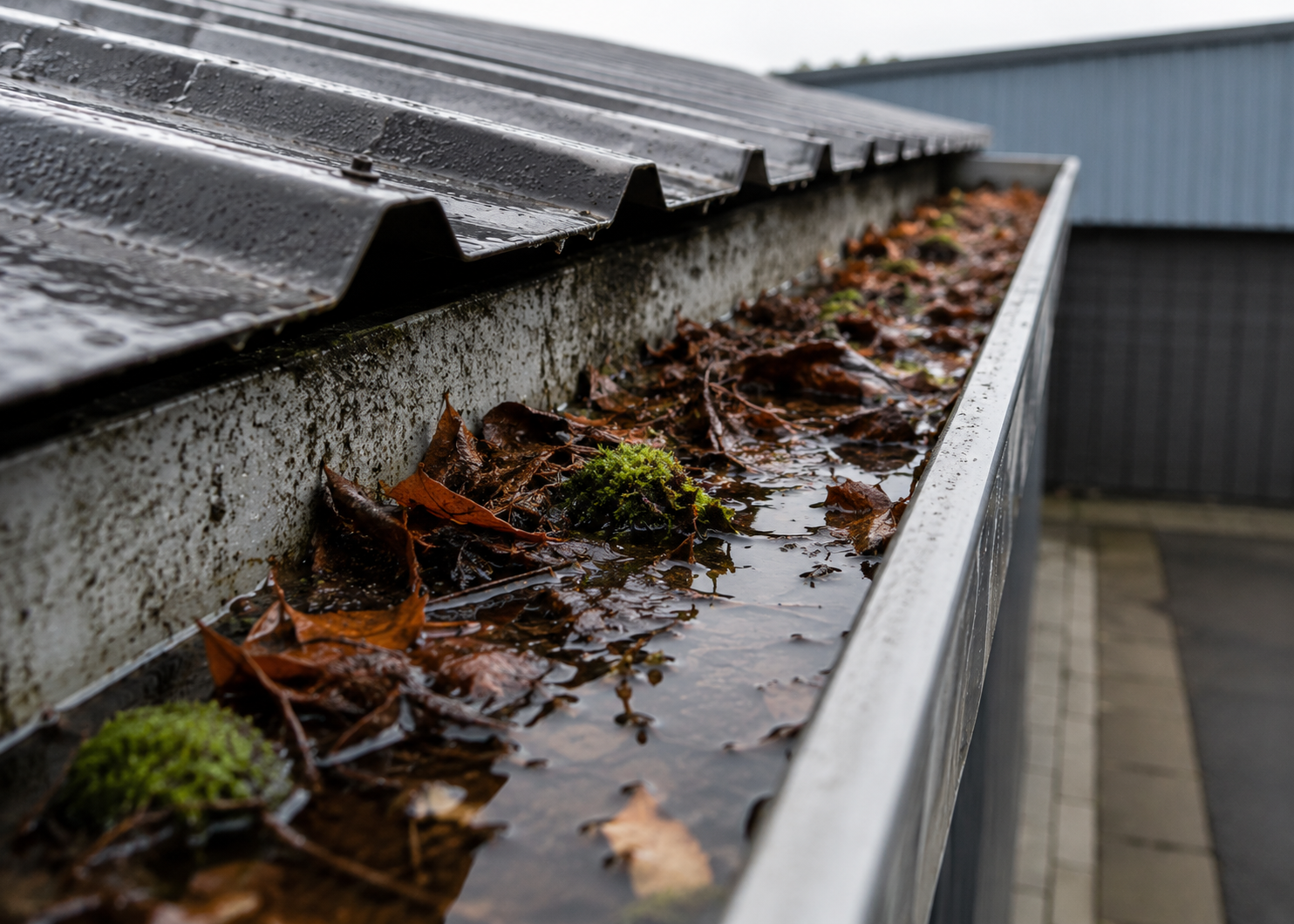
Falling leaves, moss and debris during autumn can quickly block gutters, outlets and drainage channels across commercial roofing systems. If rainwater is unable to drain correctly, overflowing gutters and standing water can increase the risk of internal water ingress, staining and long-term deterioration.
Routine autumn inspections help identify blocked drainage points before winter weather arrives. Clearing gutters, outlets and roof valleys as part of planned maintenance can help protect the building envelope and reduce avoidable repair costs.
Winter Rain & Water Ingress
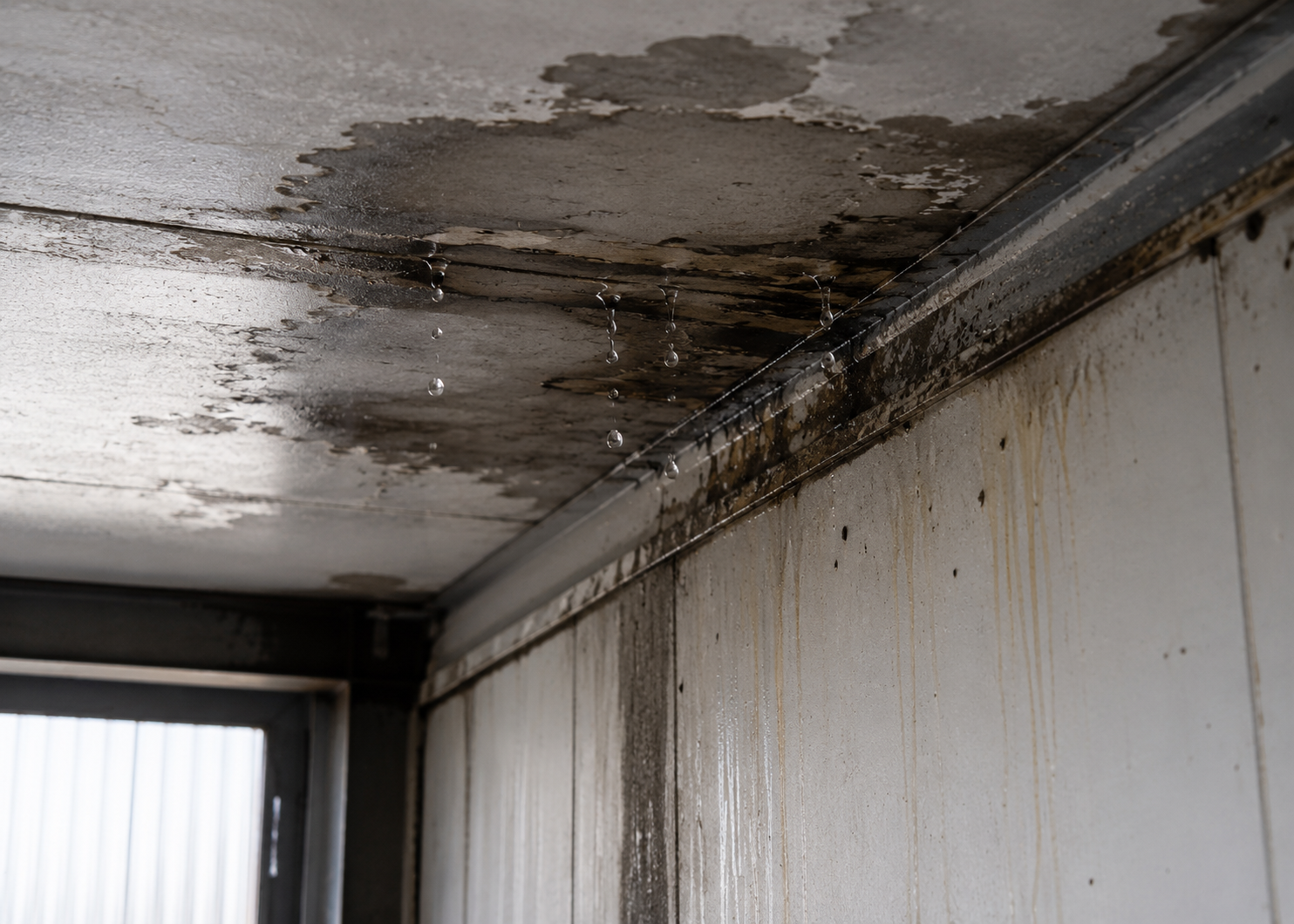
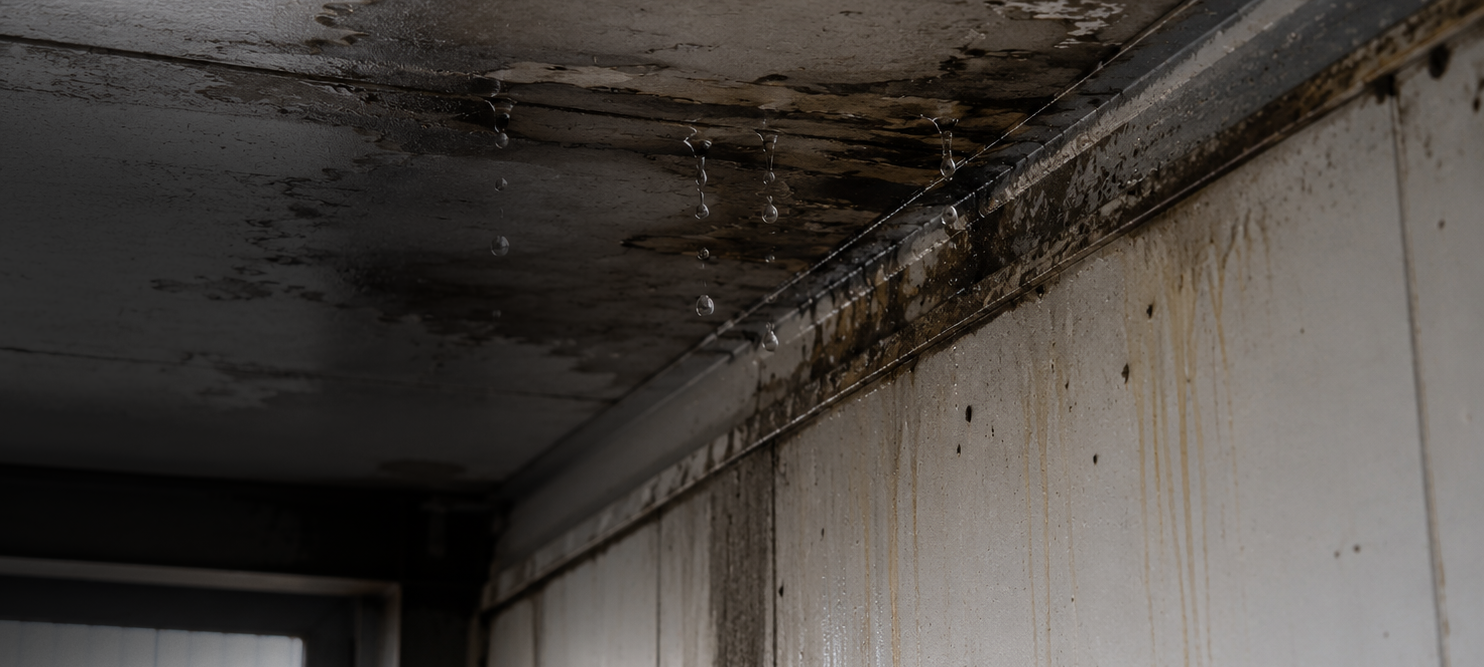
Persistent rainfall, storms and colder weather conditions throughout winter can expose weaknesses within roofing, cladding and flashing systems. Damaged seals, loose flashings and ageing waterproofing materials are more likely to allow water ingress during prolonged wet weather.
Early signs such as staining, damp patches, dripping water or overflowing rainwater systems should be investigated quickly to prevent further damage. Regular inspections during winter months can help identify issues early and minimise disruption to commercial buildings.
Summer Heat & Thermal Movement
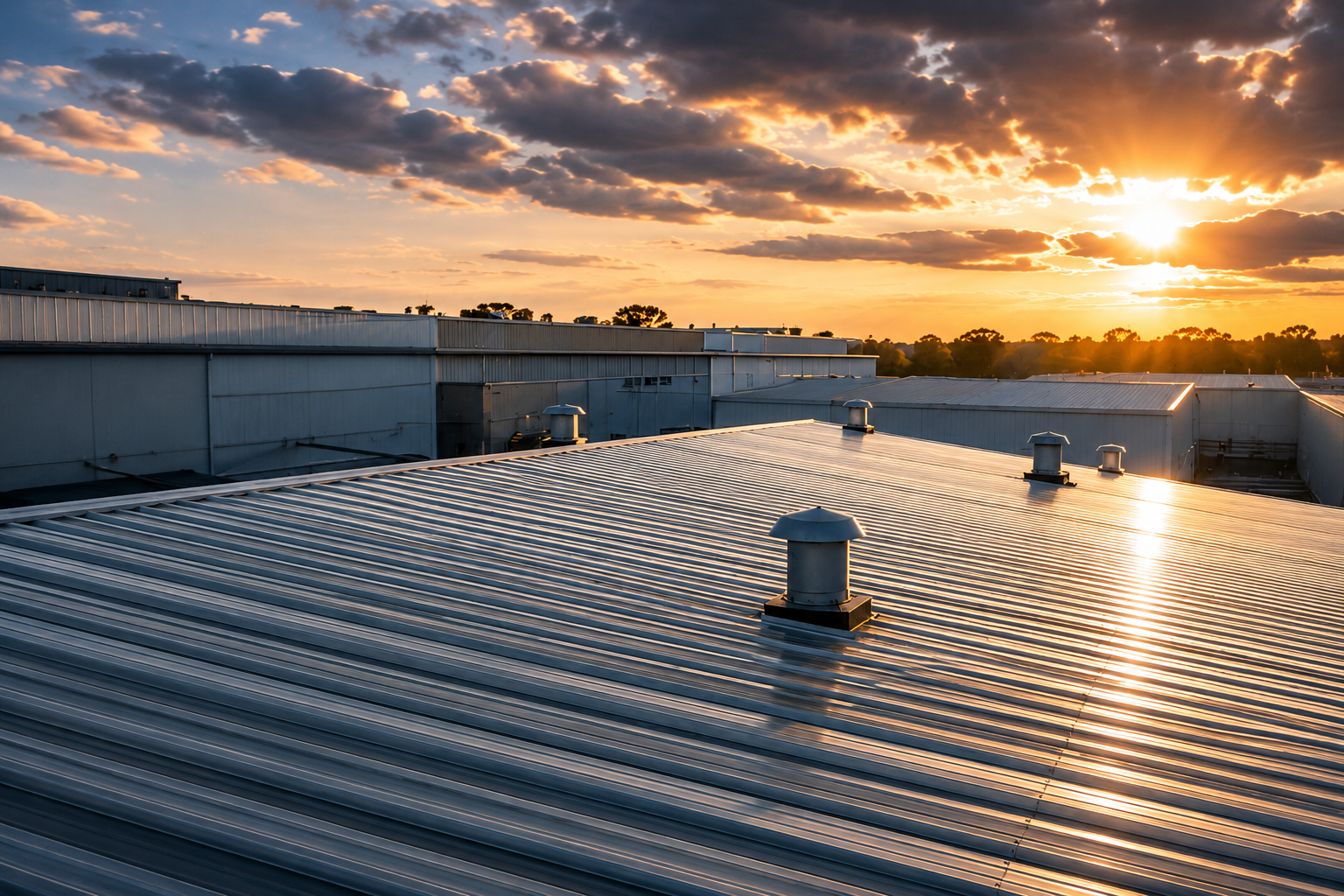
High summer temperatures can cause roofing and cladding materials to expand and contract throughout the day, placing additional stress on joints, flashings, sealants and fixings. Over time, repeated thermal movement can lead to cracking, separation and premature deterioration within the building envelope.
Areas exposed to direct sunlight are particularly vulnerable to movement-related wear, especially on metal roofing and cladding systems. Routine inspections during warmer months can help identify early signs of stress, failed sealants and loose components before they develop into larger maintenance issues.
High Winds & Loose Flashings
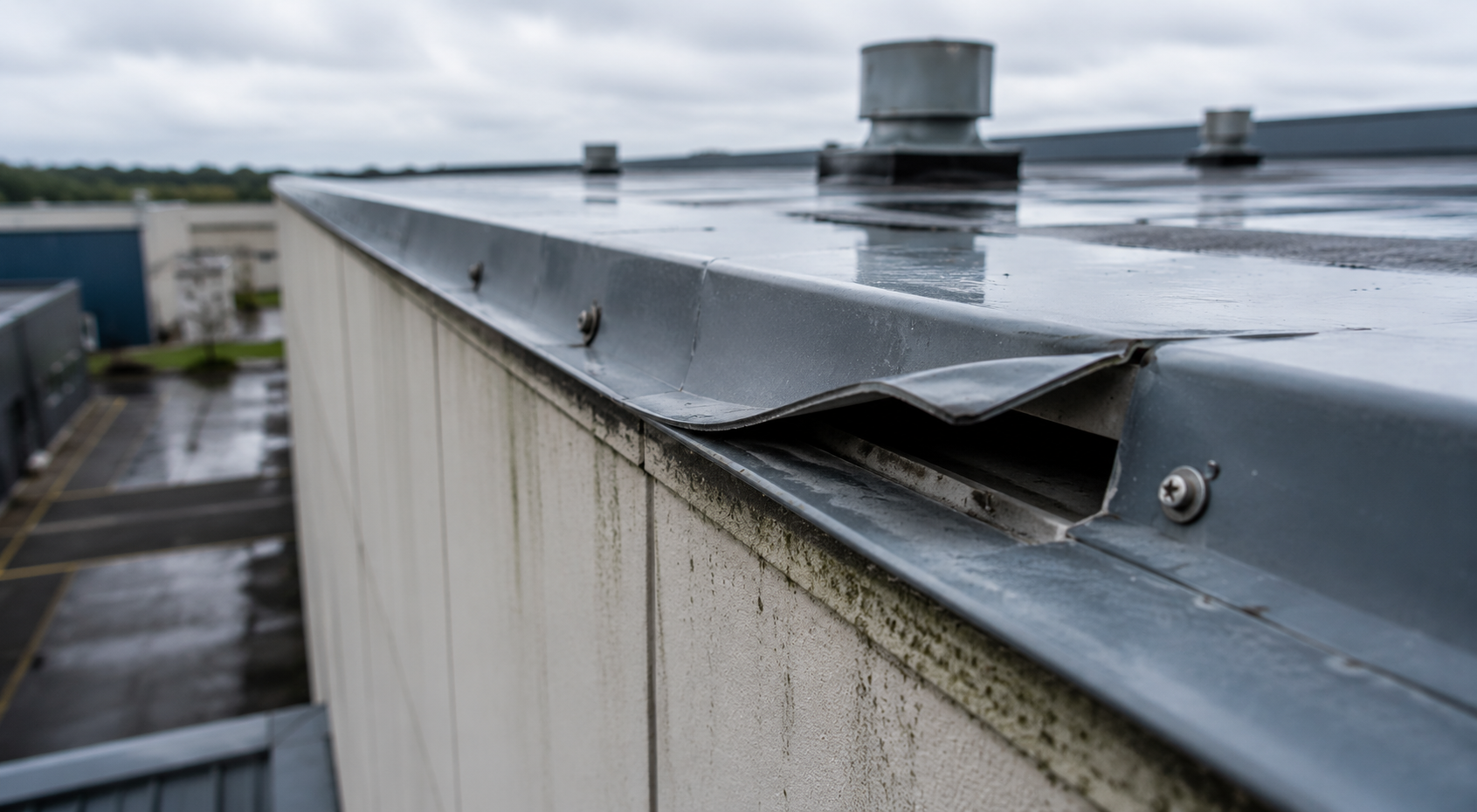
High winds and storm conditions can place significant pressure on roofing edges, flashings, trims and cladding systems. Loose or poorly secured components may begin to lift or separate during periods of strong wind, increasing the risk of water ingress and further structural damage.
Edge details, joints and exposed flashings are particularly vulnerable following severe weather conditions. Regular inspections after storms or high winds can help identify movement, loose fixings and damaged components before they lead to larger repair issues or internal leaks.
Standing Water After Heavy Rain
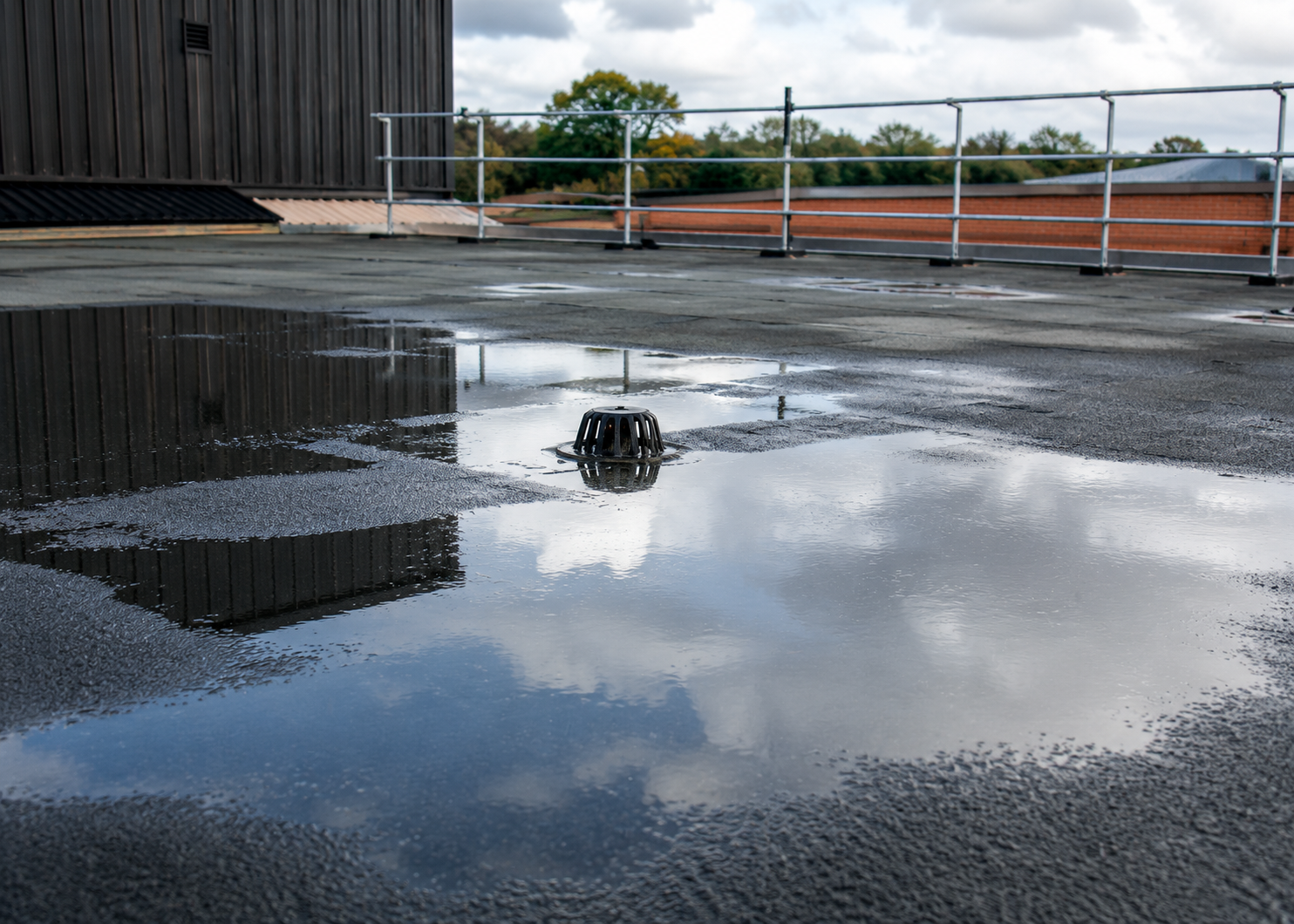
Standing water that remains on flat roofing systems after heavy rainfall can indicate blocked outlets, poor drainage or areas of deflection within the roof structure. Persistent ponding places additional stress on waterproofing systems and can accelerate the deterioration of roof coverings, joints and seams over time.
Areas where water regularly collects should be monitored closely, particularly around outlets, penetrations and low points across the roof surface. Routine inspections following periods of heavy rain can help identify drainage problems early and reduce the risk of long-term water ingress or costly repairs.
Moss, Algae & Vegetation Growth
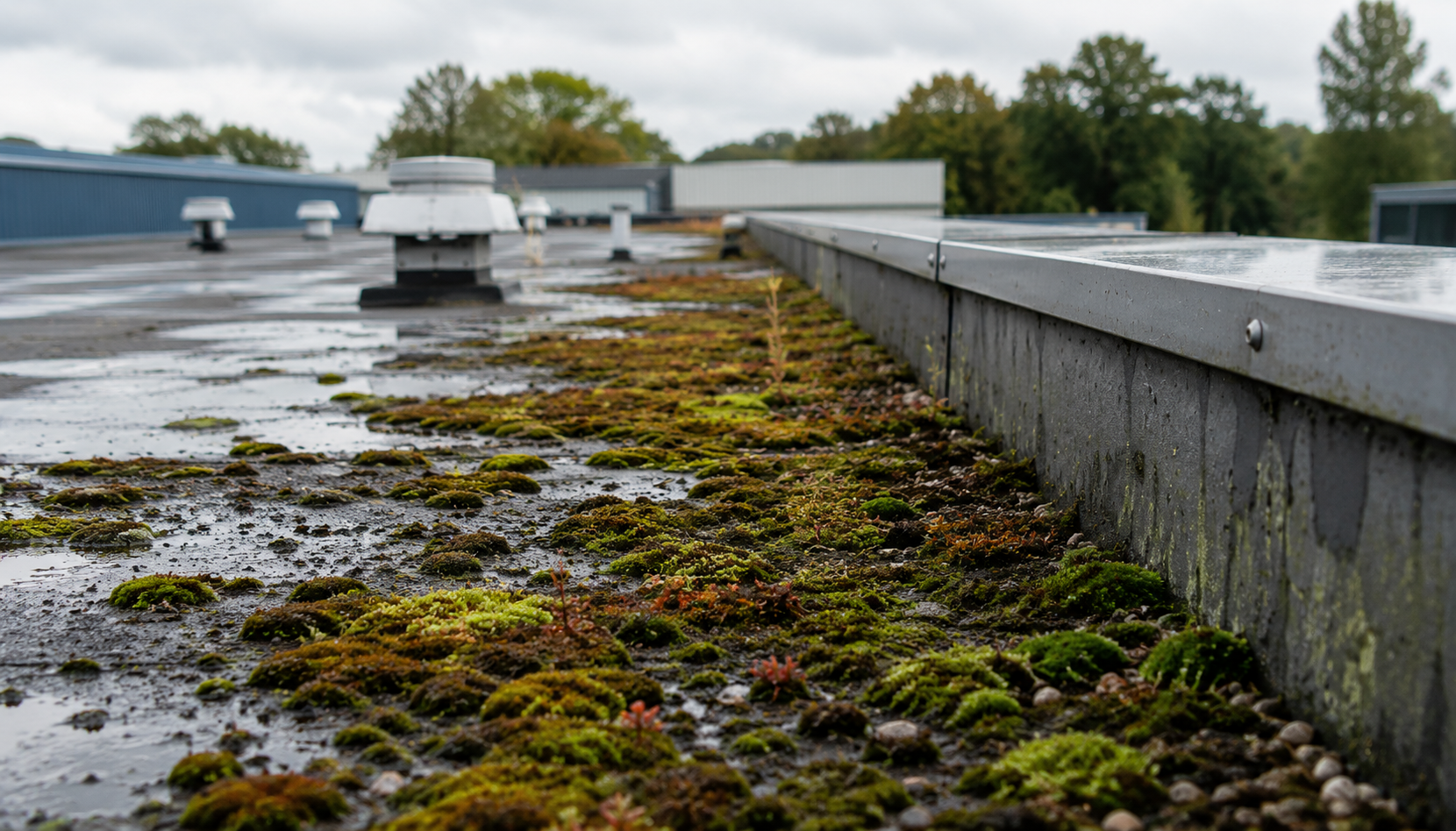
Moss, algae and vegetation growth can develop on roofing systems and within gutters where moisture and debris are allowed to build up over time. These growths can trap water against roof surfaces, block drainage paths and contribute to the deterioration of waterproofing materials and protective coatings.
If left untreated, vegetation growth can increase the risk of standing water, corrosion and long-term damage to roofing and cladding systems. Regular inspections and routine cleaning help prevent build-up and support the ongoing performance of the building envelope.
Cold Weather & Failed Sealants
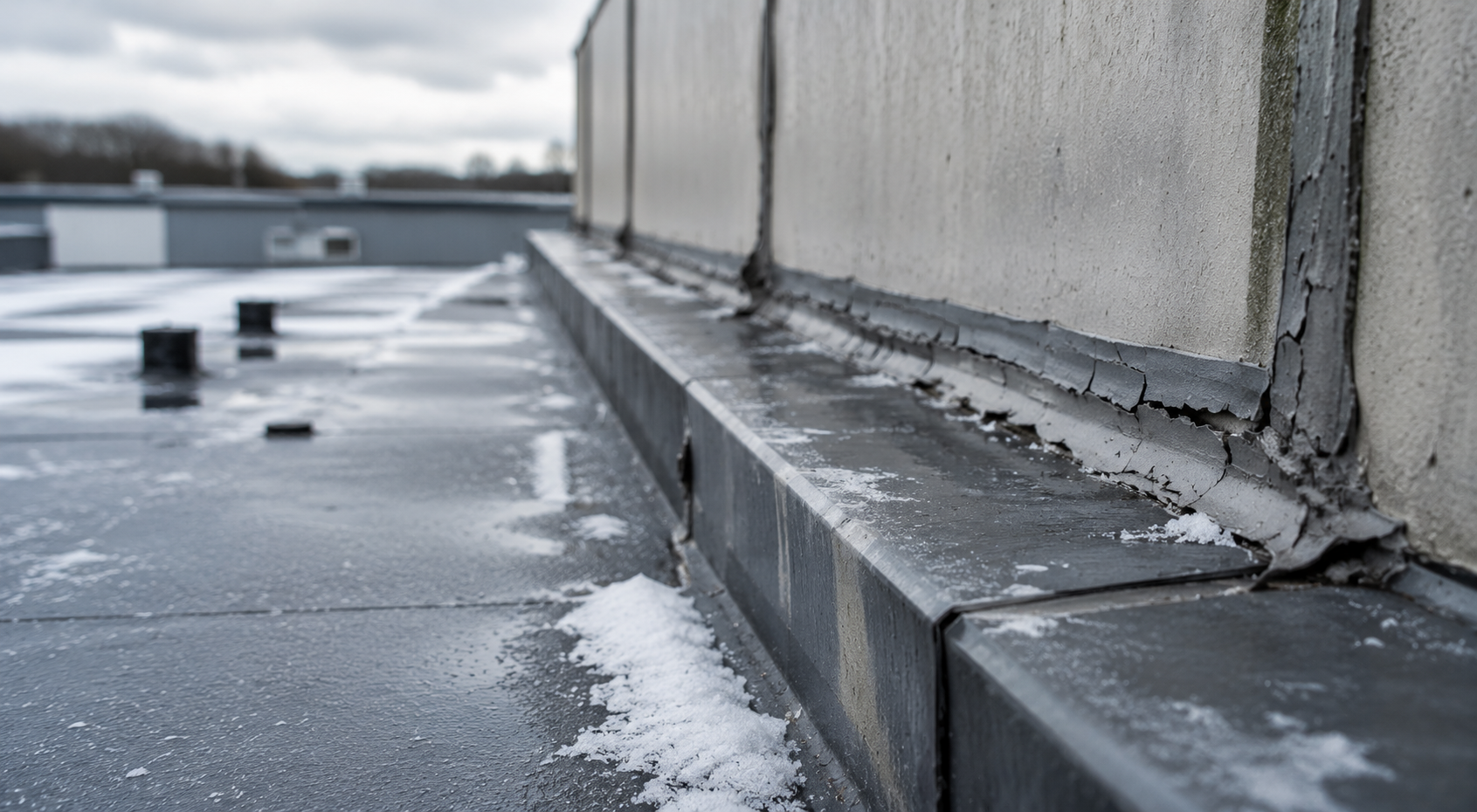
Cold temperatures, frost and repeated freeze-thaw cycles during winter can cause sealants around flashings, joints and penetrations to crack or separate over time. Once sealants begin to fail, water can track behind roofing and cladding systems, increasing the risk of internal water ingress and long-term deterioration.
Routine winter inspections help identify brittle, damaged or shrinking sealants before leaks develop. Addressing failed seals early can help maintain weather tightness, reduce repair costs and protect the overall performance of the building envelope
Prepare Your Building for Seasonal Weather
Routine inspections and planned maintenance can help identify weather-related risks before they lead to disruption or costly repairs.