Why Planned Roof Maintenance Saves Money
For many commercial and industrial buildings, roof maintenance is often reactive — issues are only addressed once a problem becomes visible. While this may seem cost-effective in the short term, it often leads to significantly higher repair costs over time.
Planned roof maintenance takes a proactive approach, helping to identify and resolve issues early, reduce long-term costs and extend the life of the building.
The True Cost of Reactive Repairs
When maintenance is left until something fails, the impact is rarely limited to a simple fix.
Common consequences include:
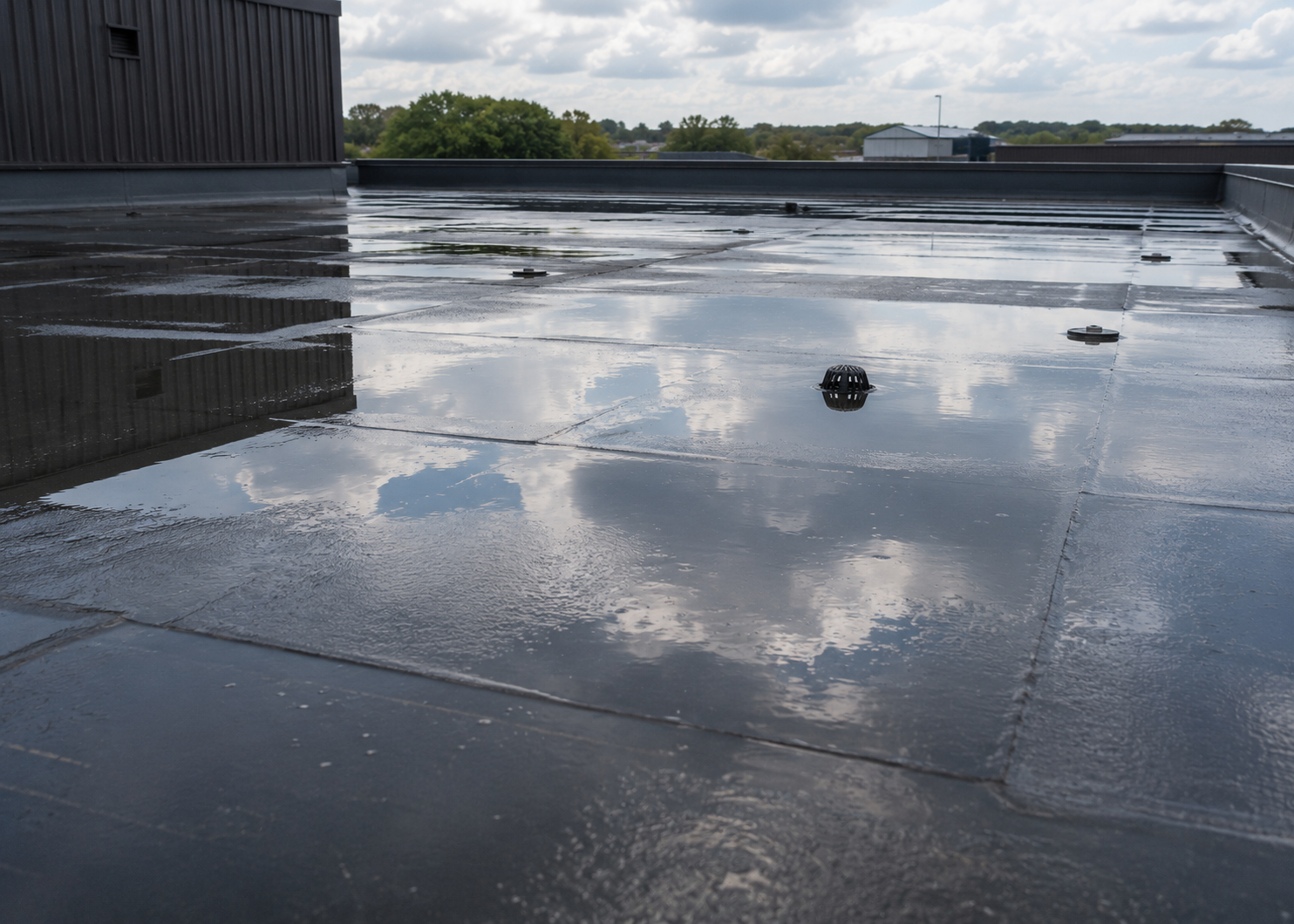
Water ingress causing internal damage
Disruption to operations or tenants
Emergency call-out costs
Larger repair areas due to delayed action
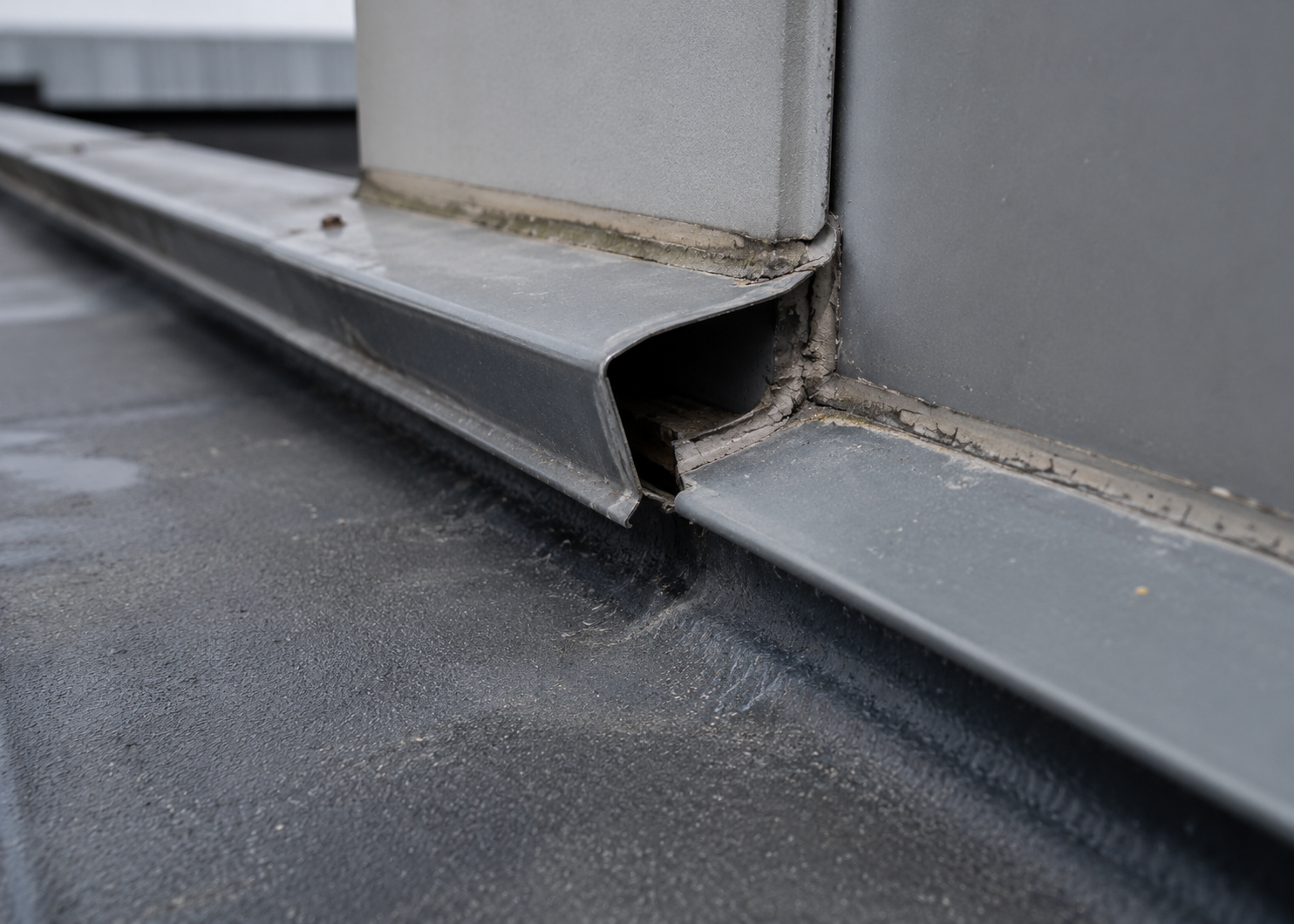
A minor issue, such as a failed seal or small leak, can quickly escalate into a much more costly repair if left unchecked.
Early Detection Prevents Bigger Problems
Regular inspections allow potential issues to be identified before they develop into serious problems.
Typical early-stage issues include:
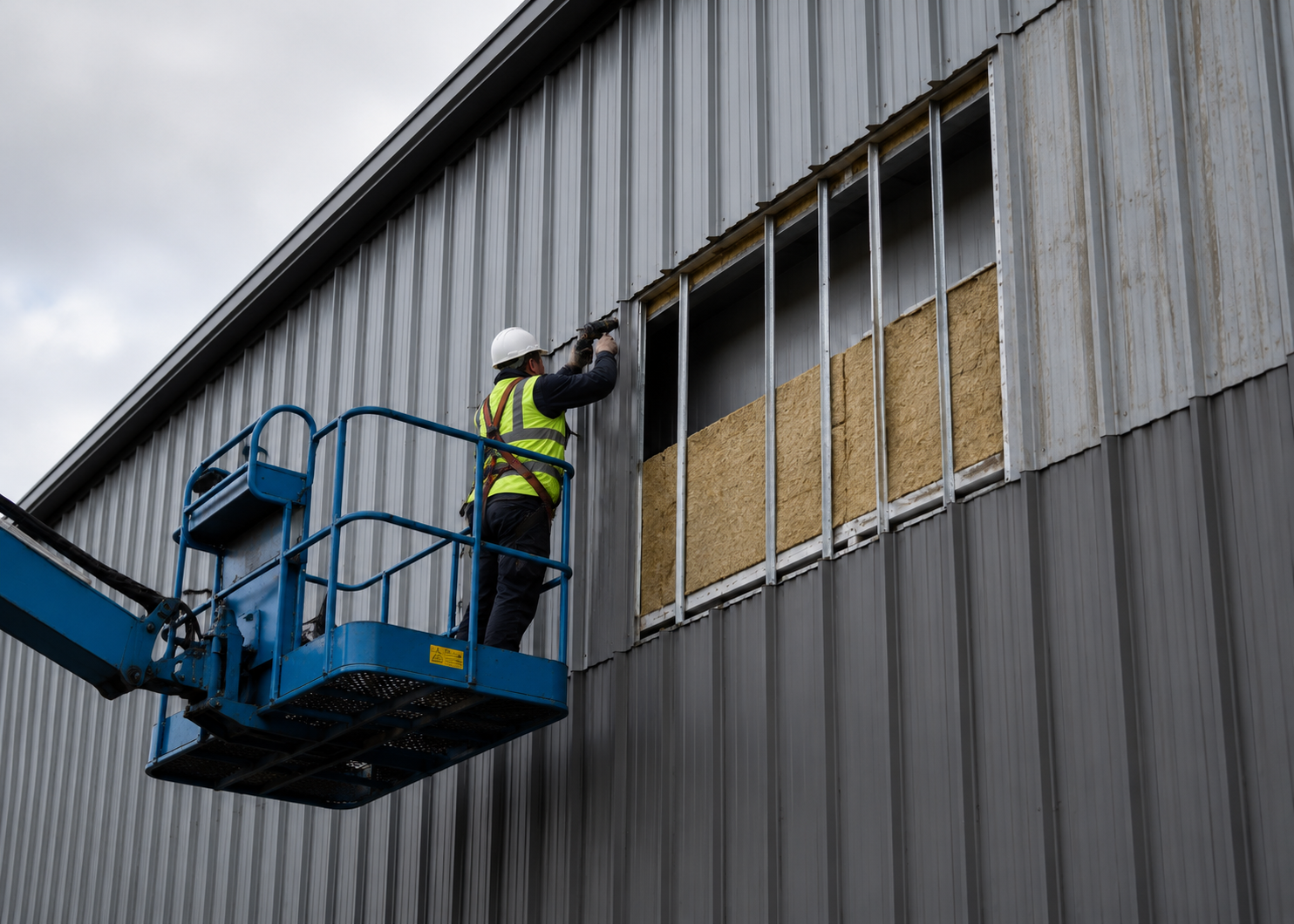
Loose or damaged roofing sheets
Deteriorating sealants or flashings
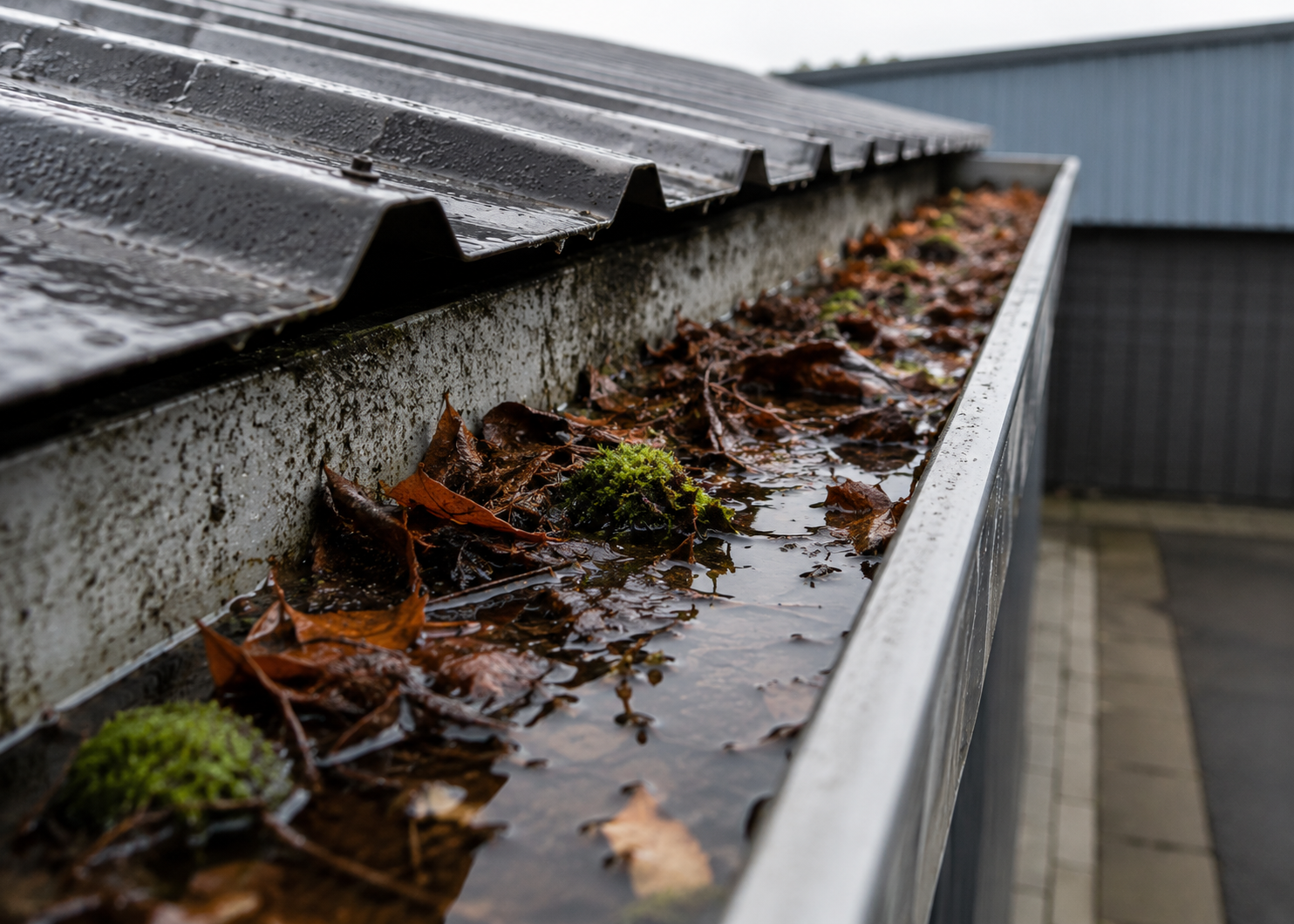
Blocked gutters causing water build-up
General wear and ageing
Addressing these early is significantly more cost-effective than dealing with widespread damage later.
Extending the Life of Your Roof
A well-maintained roof can last significantly longer than one that is only repaired when problems arise.
Planned maintenance helps to:
Preserve the integrity of materials
Prevent accelerated deterioration
Reduce the need for premature replacement
In many cases, consistent maintenance can add years to the lifespan of a roofing system.
Better Cost Control and Budgeting
One of the biggest advantages of planned maintenance is predictability.
Instead of unexpected repair costs, clients benefit from:
Scheduled inspections
Planned minor works
Clear reporting and forward planning
This allows building owners and facilities managers to manage budgets more effectively and avoid sudden, unplanned expenditure.
Improved Building Performance
A properly maintained roof contributes to the overall performance of the building.
Benefits include:
Reduced risk of leaks and water damage
Improved thermal performance
Better protection of internal assets
Increased reliability of the building envelope
A Proactive Approach Saves More Than It Costs
While planned maintenance requires an upfront commitment, the long-term savings are clear.
By preventing major failures, reducing emergency repairs and extending the life of the roof, maintenance programmes consistently deliver better value over time.
Conclusion
Planned roof maintenance is not just about fixing issues — it’s about preventing them.
For commercial and industrial buildings, a proactive approach reduces risk, improves performance and ultimately saves money.
If you’re looking to better manage your building and reduce long-term repair costs, our team can help

From roof leaks and blocked gutters to cladding damage and standing water, TERM provides practical support, maintenance guidance and specialist repair services across commercial and industrial buildings.